Blocked drains bring way more hassle than they seem and can turn into a big headache fast. Water collects in sinks, showers drain slower than syrup, or several drains get clogged all at once. Using simple tricks helps water flow smoothly again without any fuss. Knowing these hacks saves time and stress for anyone dealing with stubborn clogs. Discover how to fix these plumbing headaches quietly before they explode into a full-on disaster and spoil the day. Keep reading and learn how to stay ahead of this messy problem before it takes over.
This article walks through clear, step by step actions you can take right away, how to use common tools, when to avoid certain fixes, and when it makes sense to call in a professional. You will get real examples, easy tips for avoiding future blockages, and a straight forward plan for handling urgent situations.
Quick safety checks to run first
Before you try any fix, pause and do a few safety checks. Turn off any nearby electrical devices that could be exposed to water. If a drain issue involves sewer smells, standing water with contaminants, or if you see exposed wiring, skip DIY methods and call a technician for your safety.
- Locate the nearest shutoff valves in case a repair causes more leakage
- Open windows for ventilation if odors are strong
- Wear gloves and eye protection when working with tools or chemicals
- Keep children and pets away from the area during repairs
How to fix a blocked drain fast with simple DIY steps
Many common clogs respond well to basic methods that you can do with items already in your home. Start with least invasive techniques and move to stronger approaches only if needed. This strategy reduces the chance of pipe damage and keeps costs down.
Plunger technique for sinks and tubs
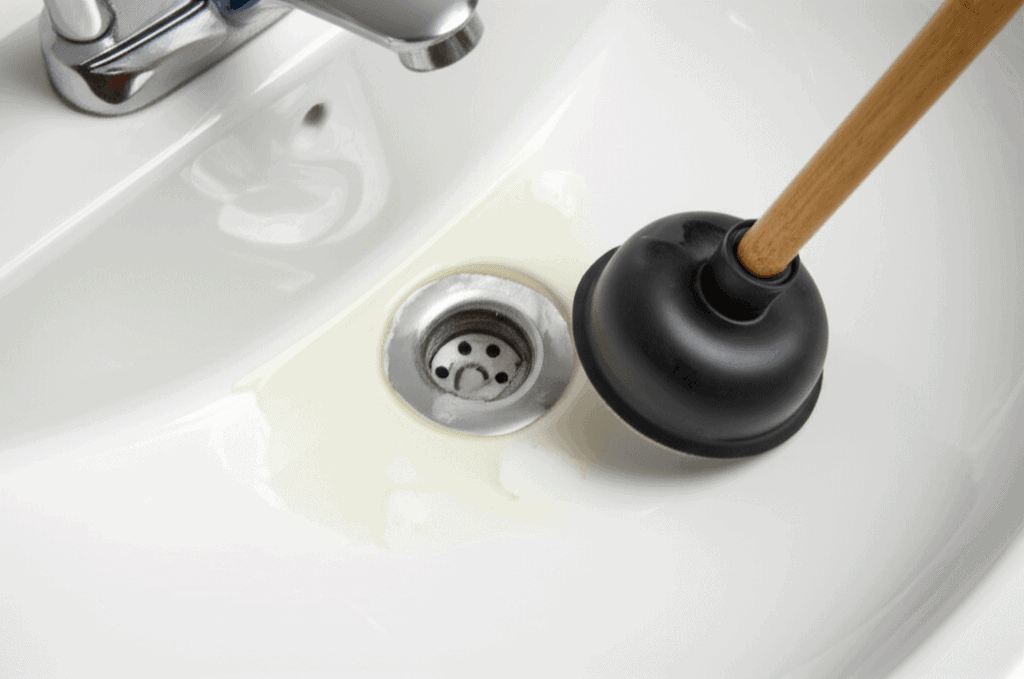
A plunger can be surprisingly effective for moderate clogs. Use a cup style plunger for sinks and a flange plunger for toilets. Make sure the plunger lip forms a tight seal over the drain and pump with steady, even pressure. Repeat several times, then test with hot water. If the drain clears, run several liters of hot water to move debris through the line.
Baking soda and vinegar method that works in many cases
If you prefer a chemical free approach, pour about half a cup of baking soda down the drain, followed by half a cup of white vinegar. Cover the drain for a few minutes to contain the reaction, then flush with boiling water. This method helps break down organic build up like grease and soap scum. Repeat once if needed, but avoid overusing this approach on older metal pipes to limit corrosion risk.
- Remove visible debris first, using gloves or a wire tool
- Try the plunger for 5 to 10 minutes before moving on
- Use baking soda and vinegar as a safe follow up step
Using a drain snake or auger like a pro
When plunging and home remedies fail, a drain snake is often the next best step. Handheld augers are affordable and effective at pulling hair clumps and compacted debris out of pipes. If you rent or buy a motorized auger, practice careful control to avoid bending pipes or pushing the clog deeper.
Step by step with a manual snake
Feed the cable slowly into the drain while turning the handle clockwise. If you feel resistance, rotate the cable a few turns and gently push forward. When you feel the obstruction loosen, pull the cable back steadily. Clean the cable after removal to prevent transferring debris to other drains.
When to stop and call for help
If the cable will not advance, makes grinding noises, or the clog returns quickly, the blockage might be deeper in the system. At that point, a camera inspection can locate the exact issue and help avoid unnecessary digging or pipe damage.
Chemical cleaners, when they help and when they harm
Chemical drain cleaners can dissolve organic blockages, but they can also damage older pipes and harm septic systems. Never mix different chemicals because that can produce toxic gases. Use these products sparingly and only as a last resort on plastic pipes that are in good condition.
- Read labels carefully and follow the safety instructions on the container
- Allow adequate ventilation when using chemical cleaners
- Rinse thoroughly after use to reduce residue build up
Signs the problem is in the main sewer line
Knowing whether the blockage is local or in the main sewer line helps you pick the right solution. If only one fixture is slow, the clog is likely close to that fixture. If multiple drains are slow, toilets are backing up, or water rises in floor drains, you may be facing a main line issue.
- Multiple fixtures affected at once is a red flag
- Unusual gurgling sounds in drains after water is used
- Damp or soggy patches in the yard near the sewer line
When signs point to the main line, calling a licensed plumber for a camera inspection and targeted repair is the most effective path forward. A proper inspection reduces guesswork and prevents unnecessary excavation.
Preventing future clogs with simple habits
Prevention is the most reliable way to avoid the hassle of repeated blockages. Small daily habits add up and keep pipes clear for months or years at a time.
- Use hair strainers in showers and clean them weekly
- Collect cooking grease in a container and throw it in the trash instead of rinsing it down the sink
- Avoid flushing wipes, paper towels, or feminine products that do not break down quickly
- Run hot water through kitchen drains after dishwashing to carry grease along
- Perform a monthly flush with a half cup of baking soda followed by a cup of vinegar and then hot water
Choosing a local professional for fast repair
Sometimes a clog needs a trained technician, especially when it affects multiple fixtures or arises from tree roots, collapsed pipe sections, or broken sewer lines. A reliable local service will offer a quick on site assessment, the right tools, and documentation of the work completed. For homeowners in the Southlake area, consider this service as a fast option for repairs and emergency responses when you need a timely on site fix
Berkeys blocked drain service and repair is one source that offers camera inspections, main line clearing, and follow up checks to confirm the issue is resolved. When you call, describe the symptoms and what you tried at home. That helps technicians arrive prepared with the right equipment.
Tools and supplies worth keeping on hand
Building a small drain repair kit saves time and reduces stress when a clog appears. Keep these items in an easy to reach place near major plumbing areas.
- Rubber plunger for sinks and a flange plunger for toilets
- Handheld drain snake or auger
- Rubber gloves and safety glasses
- Bucket and old towels for accidental spills
- Baking soda and white vinegar for regular maintenance
One helpful tip is to label a small checklist with steps to take when a clog is noticed. That checklist can prevent rushed decisions that sometimes make the situation worse, such as pouring multiple chemical cleaners into the same drain.
Clear communication with a technician also speeds repairs. If you can share when the problem started, which fixtures are affected, and any past incidents of clogging, the professional can narrow down the likely cause and remedy more quickly.
In summary, many blocked drains can be resolved without major expense by following careful, step wise approaches that start with safe checks, move through plunging and natural cleaners, and use a drain snake when needed. Reserve chemical products for last resort use and recognize the warning signs that indicate the clog is deeper in the main sewer line. Keeping a small repair kit and adopting simple habits like trapping hair and collecting grease will cut down on future problems.
When a clog resists common fixes, or if you see signs of a main line issue, calling a local service can save time and prevent further property damage. Describe the symptoms clearly when you call so the technician arrives ready to work. Fast action reduces the risk of backups and higher repair bills later. If you want to move forward now, reach out to a qualified provider in your area and schedule an inspection. Taking that step can restore normal plumbing flow and protect your home from more disruptive issues in the future.